iOS app
The App Store listing supports iPhone and iPad and requires iOS/iPadOS 17.0 or later.
Parking and EV charging app
Travel and parking app for finding parking, starting and stopping sessions, extending parking remotely, EV charging, work/private cost separation, and secure payments.
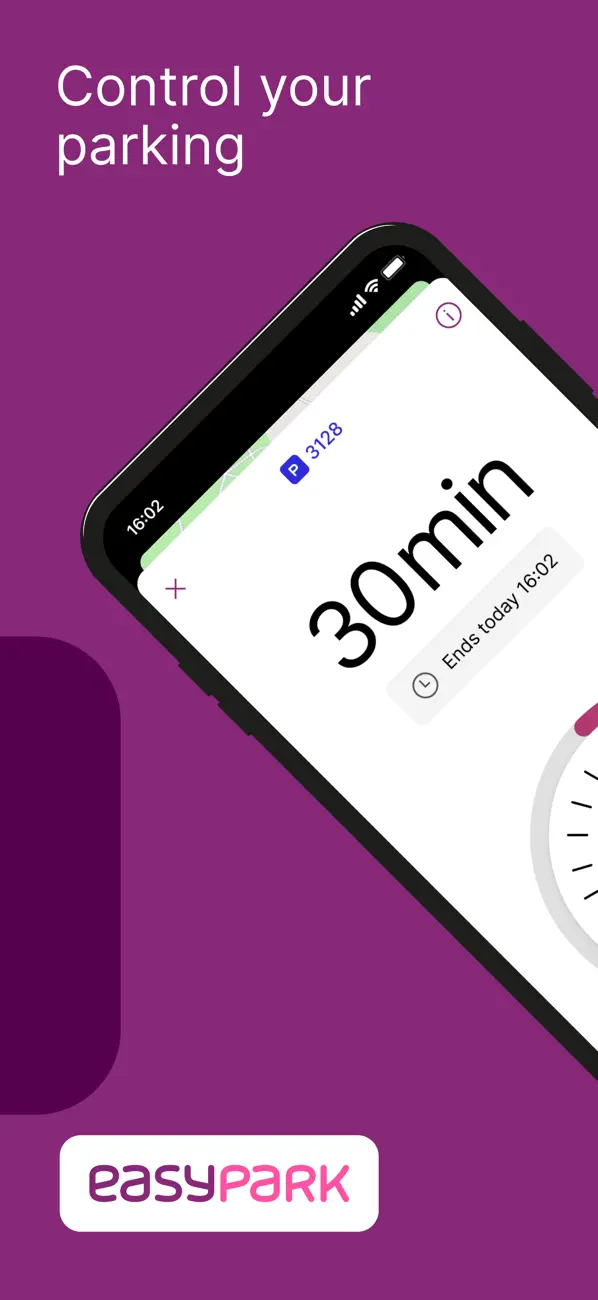
EasyPark is a Travel app by Easy Park AS for iPhone and iPad.
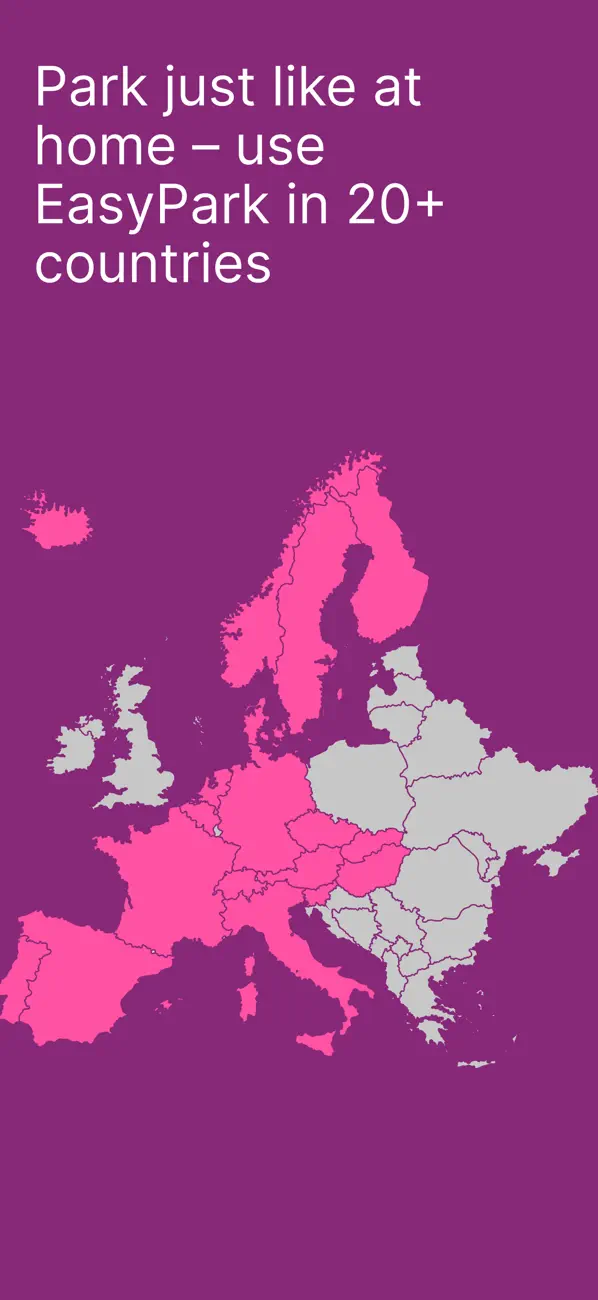
The App Store listing describes EasyPark as a mobile parking solution used by drivers, businesses, and operators in more than 20 countries.
Core flows include paying for parking by phone, finding parking near a current location or destination, managing active parking time, charging an electric vehicle, handling private and work-related costs, and receiving expiry notifications.
This case study documents EasyPark - Parking made easy as a parking and ev charging app project with a focus on the product behavior, user-facing workflows, and technical delivery considerations that matter when building a similar application. The work is listed under the role of Mobile App Research and Product Analysis, so the page is written around practical implementation responsibilities rather than a generic showcase description.
The main product scope centers on Start a parking session from a mobile phone and stop it at any time. Remote extension for active parking sessions when more time is needed. Parking discovery near a current location or destination before travel. EV charging support inside the same app experience. These details show the type of screen design, state management, data handling, integration work, and release planning required for the project. For portfolio visitors comparing mobile and web products, this gives a clear view of what had to work in the real application, not just the visual surface.
The delivery stack includes iOS app, Travel, Parking payments, Location, EV charging, Apple Pay. In this project, the technical choices were tied to the product requirements: reliable user journeys, maintainable UI components, predictable data flow, integration with external services where needed, and support for production behavior across the target devices or web surfaces.
The screenshots, links, features, and technology notes on this page are kept together so search engines, clients, and collaborators can understand the project in context. The goal is to make the page useful for people evaluating experience in parking and ev charging app, app development, software engineering delivery, and product engineering work.
The technology stack below summarizes the major implementation areas behind EasyPark - Parking made easy. Each item is included because it connects directly to a product need such as cross-platform delivery, backend data exchange, payment or account behavior, app-store readiness, localization, real-time updates, or internal workflow management.
The App Store listing supports iPhone and iPad and requires iOS/iPadOS 17.0 or later.
Parking discovery and session workflows depend on location and destination-based context.
Users can pay for parking sessions with visible price and fee breakdowns before starting.
The listing describes electric-vehicle charging as part of the same app experience.
Work-related parking and monthly invoice flows support business use cases.
Session expiry alerts help users avoid missed parking deadlines.
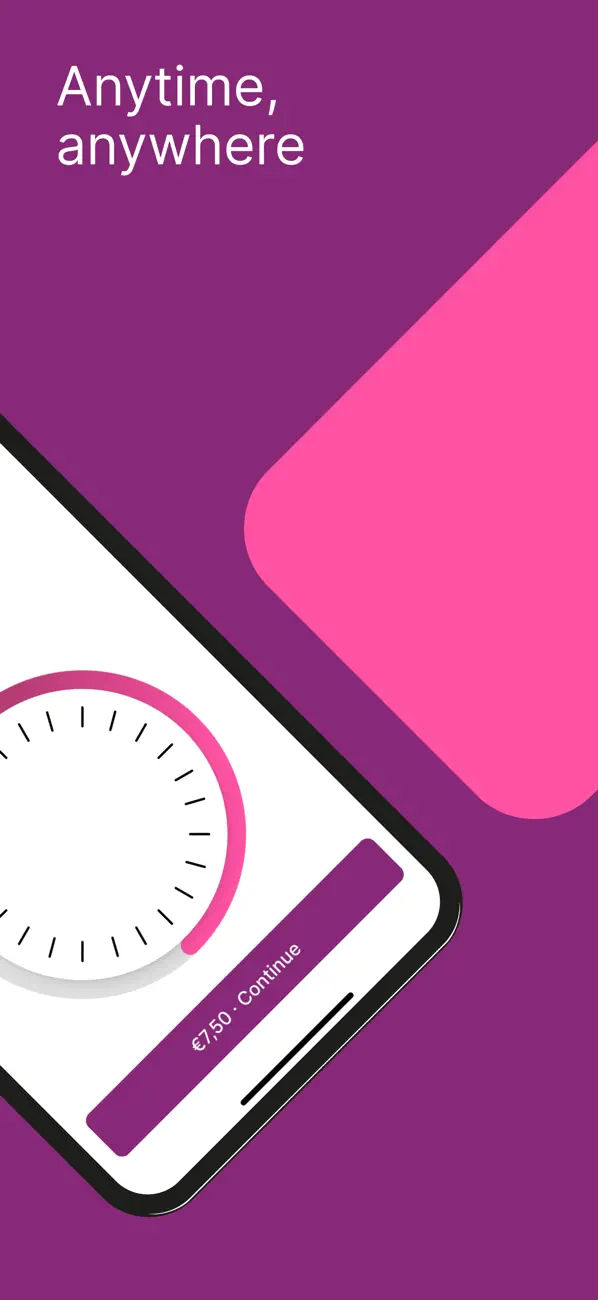

The engagement scope for EasyPark - Parking made easy was shaped by the product category, the target users, and the operational expectations behind the app. A parking and ev charging app needs more than screens: it needs stable navigation, clear feedback states, resilient data loading, accessible content structure, and enough technical flexibility to evolve as product requirements change.
From an engineering perspective, the important work is connecting the visible product experience to the systems behind it. For EasyPark - Parking made easy, that means treating features such as Start a parking session from a mobile phone and stop it at any time. Remote extension for active parking sessions when more time is needed. Parking discovery near a current location or destination before travel. as complete workflows with edge cases, loading states, error handling, and release implications. These are the details that make a portfolio project useful for judging delivery quality.
Public references for this page include App Store listing and Developer website, which help ground the portfolio detail in real product material. The page also links to related projects that share technologies or product patterns, making it easier to compare similar React Native, Expo, Next.js, dashboard, ecommerce, marketplace, and mobile app work.